Cheaper Money Transfers Could Save Haitians More Than Gangs Take in Tolls
Haitians lose about $41 million a year for every point of fees on money sent from the US. Cutting fees to 3% would return more than gang tolls take.
Practical proposals by Jeff Frazier alongside weekly columns on Haiti's economy, public safety, politics, and everyday life.
Public finances, ports and customs, remittance costs, affordable electricity, and practical ways to help Haitian businesses grow.
Haitians lose about $41 million a year for every point of fees on money sent from the US. Cutting fees to 3% would return more than gang tolls take.
Explore STIMPACK's interactive decision-support suite built for diplomats, congressional staff, and researchers—combining real-time open-source intelligence with quantitative security, territorial, and coalition stability simulators:
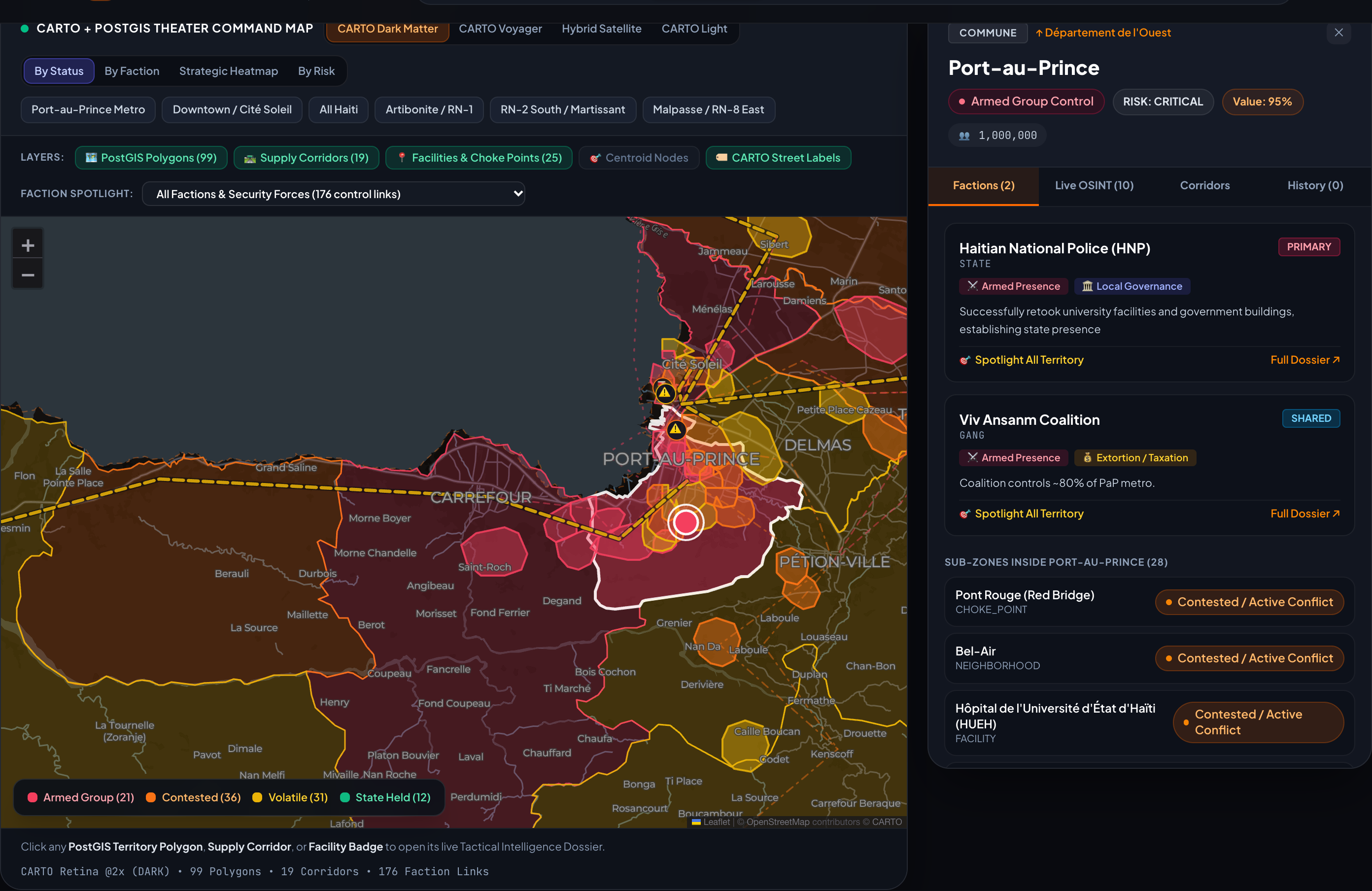
Interactive geospatial control across 100 neighborhoods & highway choke-points (`/monitor/map`).
Force posture & fiscal recovery models (`/security-simulator`, `/tool`, `/tool2`).
Policy Explorer, Coalition Stability Calculator & Force-Directed Network (`/instruments`, `/coalitions`, `/power-map`).
109-page peer-reviewed Haiti Working Group framework & statutory annexes (`reports.stimpack.org`).
All dispatches, actor dossiers, and quantitative models are autonomously generated by STIMPACK AI systems from open-source reporting.

Receive automated open-source intelligence digests and Working Group report releases directly in your inbox.

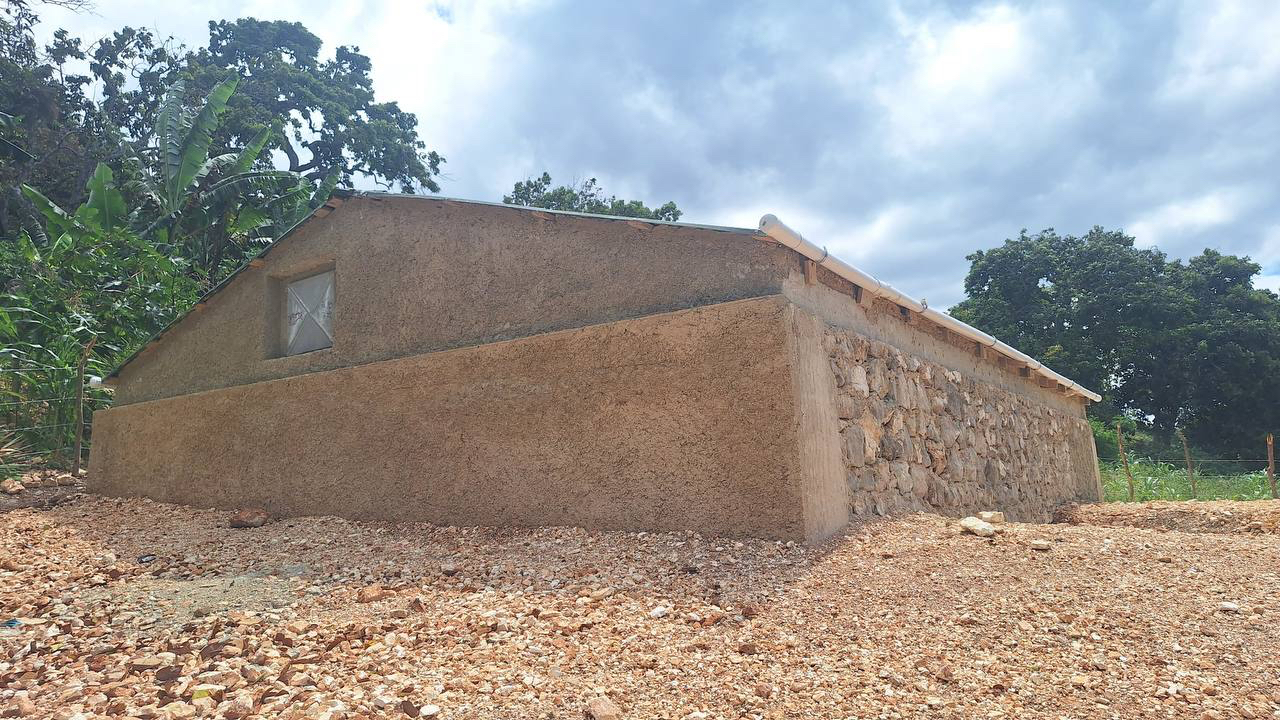
Our policy papers argue that local recovery funds should bypass discretionary political pools in the capital and flow directly against verified physical milestones. In the border village of Boucan Ferdinand, 250 core residents (~50 households, 1,200+ regional corridor reach) cut the mountain access road by hand, planted 70,000 nursery trees, and completed the first ~50,000-gallon stone-and-concrete rainwater cistern in a 6-cistern village network (356,600 gallons total).